
You walk through the front door after a weekend away, and there it is: that heavy, earthy, slightly stale smell hanging in the air. A damp, musty odour is one of the most common household complaints in the UK, and it is more than just unpleasant. It is usually your home telling you there is excess moisture somewhere, often with mould or mildew quietly growing out of sight. Learning how to get rid of damp smell in house properly means finding and fixing that source, not simply covering it with an air freshener.
This guide walks you through exactly where the smell comes from, how to hunt down the cause, how to clean it safely, and how to stop it returning for good.
What Causes a Damp Smell in Your House?
That distinctive musty smell is produced by mould and mildew. As these fungi grow in damp, poorly ventilated spots, they release tiny airborne compounds that our noses read as that classic old, wet, earthy odour. In other words, if your home smells damp, there is almost always moisture and very likely some hidden mould behind it.
In UK homes the usual triggers are condensation from cooking, showering and drying laundry indoors, combined with not enough ventilation to let that moist air escape. Older housing stock, cold external walls and sealed-up winter rooms make the problem worse. An average household can release several pints of water into the air every single day just through everyday living, and in a cold, closed house that moisture settles on surfaces and feeds mould.
The Fastest Way to Get Rid of a Damp Smell
Short on time? Here is the quick answer. To remove a damp smell, find the moisture source (usually mould, wet fabrics or poor ventilation), clean any mould away with a suitable mould remover or a white vinegar solution, then dry the air out by ventilating well and running a dehumidifier. Air fresheners only mask the smell, so always deal with the moisture first.
Now let us go through it properly, step by step.
Step 1: Track Down the Source
You cannot get rid of the smell until you find what is causing it. Go room by room and follow your nose, because the odour is always strongest near its source.
Wardrobes and Clothes
Cupboards and wardrobes pushed against cold external walls trap still, damp air, and clothes packed tightly together cannot breathe. Musty clothes and linens are one of the most common culprits. Check for anything that was put away slightly damp.
The Washing Machine
A machine that is not fully drying out between washes develops a musty smell that then transfers straight onto your clean laundry. Leave the door and detergent drawer open between washes, and run a hot maintenance cycle regularly. If you live in a hard water area, mineral build-up makes this worse, so if you are already on a home-upkeep run it is worth learning how to remove limescale from a kettle and treating your other appliances at the same time.
Carpets, Rugs and Soft Furnishings
Carpets, curtains and upholstery act like sponges, soaking up moisture and holding onto odours long after the air has dried. A spill, a leak or a pet accident that never fully dried can keep a whole room smelling musty.
Under Sinks and Behind Furniture
Slow leaks under kitchen and bathroom sinks are easy to miss until the smell appears. Check pipework, the backs of cupboards, and the wall behind large furniture where air cannot circulate.
The Bathroom
The steamiest room in the house, and a magnet for mould around grout, sealant, shower curtains and window frames. If the extractor fan is weak or you do not have one, moisture lingers and the smell builds.
Step 2: Clean and Remove the Mould or Mildew
Once you have found the source, treat it. For small patches of mould on hard surfaces, you can usually tackle it yourself.
A white vinegar solution is a cheap and effective option: spray it on, leave it for around an hour, then wipe away. For tougher mould, a dedicated mould and mildew remover works well. Always wear gloves and a face mask, open a window while you work, and never dry the cloth on a radiator, as that just puts the moisture straight back into the air. Wring it out instead.
A word of caution: do not mix cleaning products, and take care with bleach-based sprays in enclosed spaces. If the mould covers a large area, keeps coming back, or sits on soft materials like plaster or carpet that cannot be properly cleaned, it is safer to bring in a professional.
Step 3: Dry the Air and Keep It Moving
Cleaning removes what is already there. Drying the air stops it returning.
Ventilate every day. Open windows for 10 to 15 minutes each morning to flush out moist air, and leave the trickle vents on your UPVC windows open. Use extractor fans while cooking and showering, and keep internal doors closed so steam does not drift into cooler rooms.
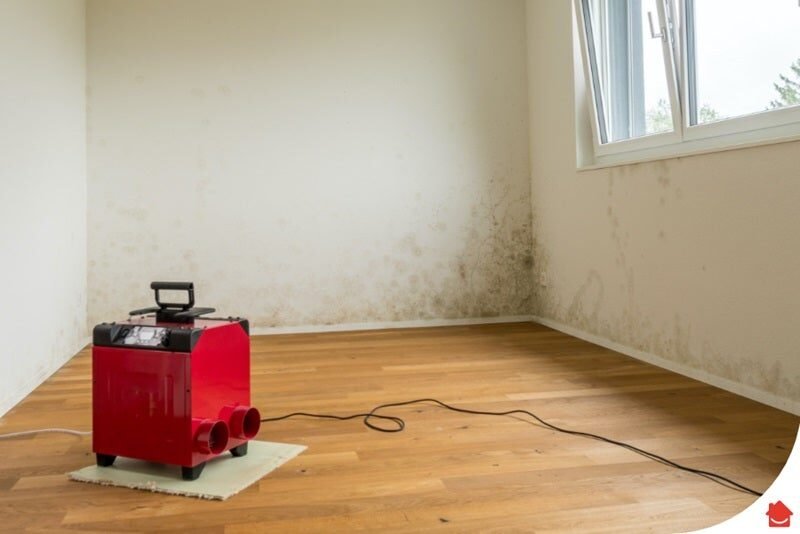
Run a dehumidifier. For a persistently damp room, a dehumidifier is the single most effective tool you can buy. It pulls excess moisture straight out of the air, and modern models are cheap to run.
Stop drying clothes indoors. Wet washing draped over radiators or airers releases litres of water into your rooms. Dry outside whenever you can, or use a vented tumble dryer, or at least keep laundry in one room with the window open and the door shut.
Keep a gentle, steady heat. A low, constant background warmth keeps surfaces above the temperature at which moisture settles, which matters most through the colder months.
Natural Ways to Freshen the Air
Once the source is dealt with, these low-cost helpers keep things smelling clean. A bowl of bicarbonate of soda left out absorbs lingering odours, as does a small dish of white vinegar. Both quietly neutralise smells rather than covering them. Fresh air remains the best deodoriser of all, so air the house whenever the weather allows.
The one thing to avoid is reaching straight for plug-in air fresheners, sprays or scented diffusers before you have found the cause. They only mask the smell for a few hours while the moisture, and the mould, carry on growing underneath.
When the Damp Smell Means Something Bigger
Sometimes a musty smell is a warning of a structural damp problem rather than everyday condensation. Rising damp, which shows as tide marks low on walls, and penetrating damp from a leaking roof, gutter or cracked pipe, both need proper repair rather than a clean and an airing.
This matters for your health, not just your home. The NHS notes that damp and mould can trigger asthma attacks, allergic reactions and other respiratory problems, and that babies, children, older people and anyone with a weakened immune system are most at risk. You can read the NHS guidance on damp and mould indoors for the full picture. If you rent your home and the cause is a building fault or broken ventilation, report it to your landlord in writing as soon as possible, as it is usually their responsibility to fix.
How to Stop the Damp Smell Coming Back
Prevention is far easier than another deep clean. Keep the house ventilated and gently warm, wipe condensation off windows and sills before it feeds mould, leave gaps behind furniture so air can circulate, dry laundry outdoors where possible, and empty and air out your washing machine between uses. Catch small damp problems early and the smell never gets the chance to take hold.
Conclusion
A damp, musty smell can make a whole house feel unwelcoming, but it is almost always fixable. The key to how to get rid of damp smell in house is simple: find the moisture, clean away any mould, and dry the air so it cannot return. Skip the temptation to mask it with sprays, deal with the source instead, and do not ignore a smell that keeps coming back, because it can point to a bigger damp problem that affects both your home and your health.
Do that, and you will walk through your front door to fresh, clean air rather than that heavy musty greeting. For more practical, money-saving home and lifestyle guides, have a browse around 2day times.
Frequently Asked Questions
Why does my house smell damp but I can’t see any mould? The mould is often hidden, behind furniture, under carpets, inside wardrobes or within the washing machine. High humidity and stagnant air alone can also create a musty smell, so improving ventilation and running a dehumidifier usually helps even before you find visible mould.
Does a damp smell always mean mould? Not always, but usually. The musty odour is produced by mould and mildew growing in damp spots. Occasionally it is simply stale, humid air or a fabric that was put away damp, both of which clear with airing and drying.
Will an air freshener get rid of a damp smell? No. Air fresheners and diffusers only mask the odour for a short time while the underlying moisture and mould continue to grow. Always fix the source first, then freshen the air.
How do I get a musty smell out of clothes and wardrobes? Wash affected clothes, dry them fully before putting them away, and leave wardrobe doors open to air. Avoid overpacking, keep a small pot of bicarbonate of soda inside to absorb moisture, and pull the wardrobe slightly away from cold external walls.
When should I call a professional about a damp smell? If the mould covers a large area, keeps returning despite good ventilation, or is linked to tide marks, leaks or water stains, the cause may be rising or penetrating damp. That needs a proper inspection and repair rather than a surface clean.